Stay Comfortable This Spring: Allergy Advice from Puntillo & Crane Orthodontics

From Dry Mouth to Sinus Pressure, Discover How to Protect Your Braces and Smile During Allergy Season
Table Of Contents
Introduction
Meet Our Doctors
How Spring Allergies Can Affect Orthodontic Treatment
Why Dry Mouth Matters More Than You May Think
Can Sinus Pressure Make Your Teeth Feel Sore?
How Allergy Season Can Affect Your Gums
Braces Tips For Spring Allergy Season
Aligner Tips For Allergy Season
Our Top Picks For Staying Comfortable This Spring
When It Is Time To Call Our Team
Why Families Choose Puntillo & Crane Orthodontics
Conclusion
Frequently Asked Questions
Introduction
Spring should feel refreshing, but for many patients, it also brings sneezing, congestion, dry mouth, sinus pressure, and irritated gums. If you are in braces or Invisalign, allergy season can make your mouth feel more sensitive and your orthodontic routine a little harder to manage. The good news is that spring allergies do not stop treatment. They simply require a few smart adjustments.
At Puntillo & Crane Orthodontics, we are proud to help families across Crown Point, Merrillville, Schererville, and Valparaiso protect their smiles in every season. Our doctors, Dr. Anthony Puntillo, Dr. Christopher Crane, and Dr. Carolyn Gardiner, have spent more than 30 years building beautiful smiles across Northwest Indiana. Whether you are in traditional braces, clear braces, or Invisalign®, our goal is to help you stay comfortable, keep your orthodontic health strong, and move confidently toward the smile you want.
If your mouth feels dry, your teeth feel sore from sinus pressure, or your gums seem puffy during allergy season, you are not imagining it. Allergy symptoms and some allergy medications can absolutely affect how your mouth feels day to day. Dry mouth can raise the risk of plaque buildup, cavities, and gum irritation, while sinus inflammation can sometimes create pressure that feels like tooth soreness, especially in the upper back teeth. Mouth breathing can also dry the gums and make your smile feel more irritated.
In this guide, we will walk through how spring allergies can affect braces and aligners, what symptoms to watch for, and the simple steps we recommend to protect your smile.
Meet Our Doctors
Our team at Puntillo & Crane Orthodontics believes in building brighter futures, one smile at a time. We love helping children, teens, and adults feel confident in their care and informed about every step of treatment.
Our practice includes:
- Dr. Anthony Puntillo
- Dr. Christopher Crane
- Dr. Carolyn Gardiner
We provide orthodontic care at four Indiana locations:
- Crown Point
- Merrillville
- Schererville
- Valparaiso
With braces, Invisalign, and personalized treatment planning, we serve patients with a focus on both healthy function and beautiful results. When seasonal challenges like spring allergies show up, we want our patients to know what is normal, what is manageable, and when it is worth checking in with our team.
How Spring Allergies Can Affect Orthodontic Treatment
Spring allergies do not typically damage your braces or aligners directly, but they can make treatment feel less comfortable if symptoms are not managed well. Congestion often leads to mouth breathing. Watery eyes, sneezing, and inflamed sinuses can leave you feeling run-down. Some allergy medications can dry the mouth, which makes it easier for plaque and food debris to stick around longer than they should.
In orthodontics, comfort and consistency matter. When your mouth is dry or your gums are irritated, brushing may feel less pleasant. If your teeth feel pressure from your sinuses, it can be harder to tell whether you are feeling normal orthodontic movement or seasonal discomfort. If you wear clear aligners, dry tissues and congestion may also make you more aware of the trays against your teeth and cheeks.
That does not mean something is wrong. It usually means your mouth needs more support during allergy season.
Here is the simplest way to think about it:
Allergies can create conditions that make orthodontic treatment feel more noticeable.
That includes:
- Dry mouth
- Mouth breathing
- Sinus pressure
- Puffy or irritated gums
- Increased plaque retention if home care slips
- Extra tenderness when teeth are already moving
When we understand those patterns, we can manage them early and keep treatment on track.
Why Dry Mouth Matters More Than You May Think
Dry mouth is one of the most common springtime issues for orthodontic patients. Saliva does much more than keep your mouth comfortable. It helps wash away food particles, reduce acid, and protect teeth and gums. When saliva drops, plaque can build more easily and the risk of tooth decay, gum disease, bad breath, mouth sores, and irritation can increase.
This matters even more if you wear braces because brackets and wires create extra places for plaque to collect. It also matters if you wear aligners because dry tissues can make trays feel tighter or more noticeable.
Dry mouth during allergy season often happens for two reasons:
- You are breathing through your mouth because your nose is congested
- You are taking allergy medications that can reduce moisture in the mouth
The Mayo Clinic notes that antihistamines and decongestants can make dry mouth worse, and Cleveland Clinic explains that mouth breathing can dry out the gums and contribute to dry mouth as well.
Signs that dry mouth may be affecting your orthodontic health include:
- Sticky feeling inside the mouth
- Dry or cracked lips
- Bad breath
- Sore cheeks or tongue
- Increased plaque around brackets
- Tender gums
- A stronger urge to sip water often
If that sounds familiar, do not ignore it. Dry mouth is one of the easiest issues to improve when you catch it early.
Can Sinus Pressure Make Your Teeth Feel Sore?
Yes, it can. This surprises many patients, but it is very real.
The roots of the upper back teeth sit very close to the maxillary sinuses. When those sinuses become inflamed during allergy season, the pressure can radiate into nearby teeth and make them feel sore, achy, or more sensitive than usual.
If you are already in braces or aligners, that added pressure can be confusing. You may wonder:
- Are my teeth moving?
- Is this from my latest aligner?
- Did I break something?
- Is it just my allergies?
Sometimes it is a combination. Orthodontic movement creates controlled pressure. Sinus congestion can add another layer of pressure on top of that. The result is that your teeth may simply feel more tender than usual for a few days.
A few clues that sinus pressure may be involved:
- The soreness is stronger in your upper back teeth
- You also feel facial pressure or congestion
- The discomfort shows up with allergy symptoms
- Your bite feels a little off when your sinuses are full
- The tenderness improves as congestion improves
If the discomfort becomes sharp, one-sided, or lingers after your allergy symptoms fade, it is worth calling our team so we can help you decide whether it is sinus related or something else.
How Allergy Season Can Affect Your Gums
Spring allergies can also affect your gums, especially when congestion leads to mouth breathing or when dry mouth becomes a daily issue. Mouth breathing can dry the gums, and a lack of saliva can make plaque easier to retain. Over time, that combination can contribute to swollen, irritated, or tender gum tissue.
For patients in braces, swollen gums can make brushing and flossing more difficult, which creates a frustrating cycle. The gums feel irritated, so home care becomes less comfortable, and plaque stays behind longer. For aligner patients, gum irritation can make trays feel more noticeable and may tempt patients to leave them out longer than they should.
If you notice:
- Puffy gums
- Bleeding with brushing
- Redness around brackets
- Tenderness near the gumline
- A sudden increase in bad breath
It is time to tighten up your hygiene routine, and let us know if symptoms do not improve.
A helpful reminder: allergies do not automatically cause gum disease. But the dryness, mouth breathing, and hygiene challenges that come with allergies can make gum problems more likely if your routine slips.
Braces Tips For Spring Allergy Season
If you wear traditional braces or clear braces, these simple habits can make a big difference:
Keep Water With You
Frequent sips of water help rinse the mouth, reduce dryness, and improve comfort when allergy symptoms are active.
Brush More Intentionally
Take extra care around brackets and along the gumline, especially if dry mouth is making plaque feel stickier than usual.
Use A Humidifier At Night
Adding moisture to the air at night can be especially helpful if congestion leads to mouth breathing while you sleep.
Choose Sugar-Free Moisture Support
Sugar-free gum or xylitol-containing products may help stimulate saliva if your dentist or physician says they are appropriate for you.
Watch Irritating Foods
Very salty, spicy, or acidic foods can feel more uncomfortable when your mouth is already dry or inflamed.
Stay Ahead Of Plaque
Allergy season is not the time to cut corners with brushing, flossing, or your hygiene appointments.
Do Not Ignore Persistent Pressure
If one area feels unusually sore, let us take a look rather than guessing.
Aligner Tips For Allergy Season
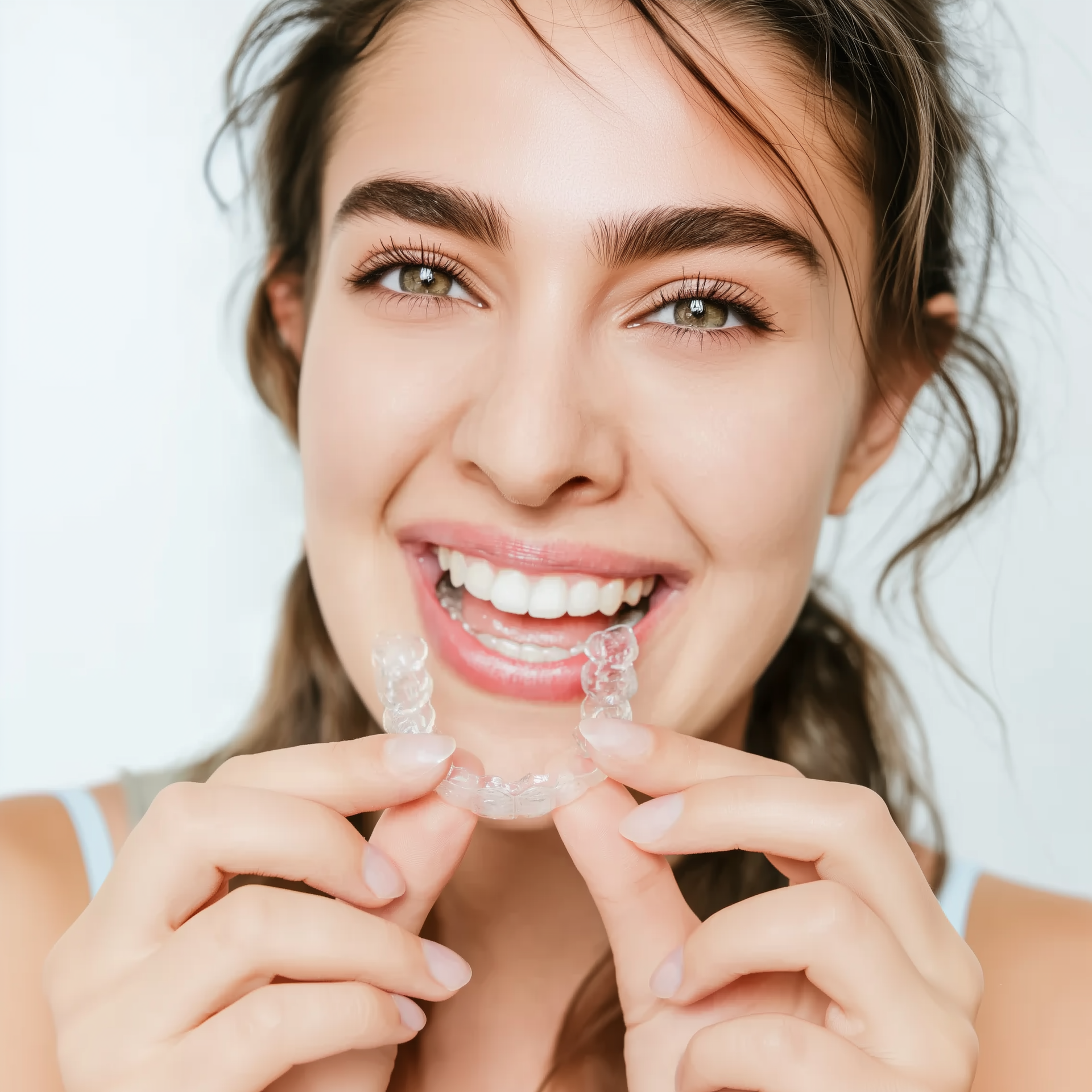
If you wear Invisalign, spring allergies can still affect comfort, even if you do not have brackets or wires.
Here is what we recommend:
Keep Trays Clean
A dry mouth can make aligners feel less fresh more quickly, so consistent cleaning matters even more during allergy season.
Drink More Water
Hydration helps your mouth feel better and supports healthier wear throughout the day.
Remove Trays Before Sugary Or Acidic Drinks
This is always important, especially during allergy season, when dry mouth can already increase cavity risk.
Avoid Wearing Dirty Trays Back In
If you sneeze often, have drainage, or feel congested, make sure trays are rinsed and cleaned before reinserting them.
Track Wear Time Carefully
Do not let slight discomfort tempt you into leaving trays out too long.
Tell Us If A New Aligner Feels Unusually Tight
Sometimes the issue is normal movement, and sometimes allergy-related soreness is amplifying the feeling.
Our Top Picks For Staying Comfortable This Spring
If we had to narrow spring orthodontic care down to the essentials, these would be our top picks:
- Drink water throughout the day
- Keep brushing and flossing consistent
- Use a humidifier if you sleep with your mouth open
- Clean aligners and removable appliances carefully
- Stay aware of dry mouth symptoms
- Monitor gum swelling instead of waiting it out
- Call us if pain feels unusual or persistent
This is a great season to simplify your routine and stay proactive.
When It Is Time To Call Our Team
Most spring allergy discomfort can be managed at home, but there are times when it makes sense to check in.
Please contact our team if:
- Your teeth hurt in one spot for several days
- Your gums stay swollen or bleed regularly
- Your mouth feels extremely dry for more than a short period
- A bracket, wire, or aligner edge is rubbing irritated tissue
- You are not sure whether the soreness is from allergies or orthodontic movement
- You are avoiding aligners or certain foods because of discomfort
We would always rather answer a small question early than let a manageable issue become a bigger one later.
Why Families Choose Puntillo & Crane Orthodontics
At Puntillo & Crane Orthodontics, we know great care is about more than straight teeth. It is about helping patients feel informed, comfortable, and supported from start to finish. Allergy season is a perfect example. When your mouth feels different, you deserve clear answers and practical guidance.
Families across Crown Point, Merrillville, Schererville, and Valparaiso choose our team because we combine experience, modern treatment options, and personal care that fits real life. Whether you are exploring braces or Invisalign, we want every part of your smile journey to feel easier.
We are proud to offer:
- Traditional braces
- Clear braces
- Invisalign treatment
- Customized care for children, teens, and adults
- A team approach focused on comfort and long-term orthodontic health
With more than 30 years of building beautiful smiles and a 5-star reputation backed by more than 1,040 reviews, we are honored to care for so many families across Northwest Indiana.
Conclusion
Spring allergies can absolutely make orthodontic treatment feel more challenging, but they do not have to throw you off course. Dry mouth, sinus issues, congestion, and gum irritation are common seasonal problems, and with the right habits, most patients can stay comfortable and keep treatment moving forward.
At Puntillo & Crane Orthodontics, we are here to help you protect both your comfort and your results. If spring allergies are making your braces or Invisalign feel harder to manage, reach out to our team. We would love to help you find the cause, make a few smart adjustments, and keep your smile progressing beautifully.
Visit us at pandcsmiles.com or call one of our locations:
- Crown Point: 219-267-1922
- Merrillville: 219-769-7447
- Schererville: 219-322-8552
- Valparaiso: 219-462-3537
You can also text us at 219-244-2524 to schedule your visit with our team.
Frequently Asked Questions
Can spring allergies really make my braces feel worse?
Yes. Allergies can lead to dry mouth, mouth breathing, sinus pressure, and irritated gums, all of which can make braces feel more noticeable or uncomfortable.
Can sinus pressure make my teeth hurt even if nothing is wrong with my braces?
Yes. Pressure in the maxillary sinuses can radiate into the upper teeth, especially the molars, and create soreness that feels like dental pain.
Do allergy medicines cause dry mouth?
Many can. Antihistamines and decongestants may contribute to dry mouth, which is important to watch during orthodontic treatment.
Why does dry mouth matter so much with braces or aligners?
Saliva helps protect teeth and gums. When your mouth stays dry, plaque can build more easily, and the risk of tooth decay, gum irritation, and discomfort can go up.
Should I stop wearing my aligners if my mouth feels irritated during allergy season?
Usually no. Keep wearing them as directed unless our team tells you otherwise. If trays feel unusually uncomfortable, contact us so we can help determine whether the discomfort is due to dryness, gum irritation, sinus pressure, or a poor fit.
When should I call Puntillo & Crane Orthodontics about allergy-related discomfort?
Call us if you have pain that feels unusual, swelling that does not improve, bleeding gums, severe dryness, or any concern that is making treatment harder to manage.